
A vehicle’s appearance says a lot about how well it has been maintained. Over time, however, even the most carefully looked-after car can develop faded paint, scratches, stone chips, and surface imperfections. Brisbane’s combination of strong sunlight, seasonal storms, road debris, and everyday driving conditions can gradually affect the finish of any vehicle. While these issues may begin as cosmetic concerns, damaged paint can eventually expose the metal beneath, increasing the risk of corrosion if left untreated.
Professional Car Spray Painting is one of the most effective ways to restore a vehicle's original finish while helping protect its bodywork for years to come. Whether a car has suffered minor paint damage, accident repairs, or simply years of wear, a carefully completed refinishing process can significantly improve both appearance and long-term durability. Understanding how professional spray painting works allows vehicle owners to make informed decisions when restoring and maintaining their investment.
This guide explains the complete process, common reasons vehicles require repainting, and practical advice for maintaining quality paintwork in Brisbane's local conditions.
Why Your Vehicle’s Paint Is More Important Than Appearance
Many people view paint purely as a cosmetic feature, but it serves several practical purposes beyond creating an attractive finish. Modern automotive paint systems include multiple protective layers designed to shield the vehicle against environmental exposure.
A quality paint finish helps defend the body from moisture, UV radiation, dirt, road salt carried from coastal areas, tree sap, bird droppings, and airborne contaminants. When these protective layers become damaged, the underlying surfaces become more vulnerable to deterioration.
Professional Vehicle Paint Restoration aims to repair this protective barrier while restoring an even, durable finish. Rather than simply covering imperfections, skilled refinishing focuses on preparing the surface correctly so that new coatings bond properly and provide lasting protection.
Keeping paintwork in good condition may also contribute to maintaining the overall presentation of the vehicle, making routine cleaning easier and helping preserve its condition over time.
Common Causes of Paint Damage in Brisbane
Brisbane's climate creates several challenges for automotive paint. Daily driving exposes vehicles to a combination of environmental and physical hazards that gradually affect the surface.
Some of the most common causes include:
Prolonged exposure to strong ultraviolet sunlight
Flying gravel and stone chips on busy roads
Minor parking scrapes and shopping trolley impacts
Tree sap and falling branches
Bird droppings left on paint for extended periods
Heavy rainfall followed by intense sunshine
Industrial dust and airborne contaminants
Improper washing techniques that create swirl marks
These issues often develop slowly. What begins as a small scratch or faded section may gradually expand if the protective clear coat becomes compromised.
For vehicles regularly driven around Woolloongabba and throughout Brisbane, periodic inspections can help identify paint damage before more extensive restoration becomes necessary.
Signs Your Vehicle May Need Professional Spray Painting
Not every scratch requires complete repainting, but certain signs indicate that professional attention may provide the most effective long-term solution.
Fading or Loss of Gloss
Extended exposure to Queensland's sunshine can gradually reduce the depth and shine of automotive paint. If polishing no longer restores the finish, professional Vehicle Spray Painting may be the appropriate option.
Peeling Clear Coat
The clear coat is designed to protect the coloured paint underneath. Once it begins peeling, the exposed paint deteriorates much more quickly and typically requires professional refinishing.
Deep Scratches
Surface scratches can often be polished. However, scratches that expose primer or bare metal should be repaired promptly to minimise the risk of corrosion.
Multiple Stone Chips
Numerous stone chips across the bonnet, bumper, or front guards can affect both appearance and protection. Rather than treating each chip individually, refinishing larger sections often delivers a more consistent result.
Uneven Colour After Previous Repairs
Older repairs sometimes become noticeable due to colour differences or fading. Professional refinishing with accurate colour matching helps restore a uniform appearance across the vehicle.
When these issues appear, seeking advice from experienced repair professionals allows vehicle owners to understand the most suitable restoration approach. Resources available through Toni's Smash Repairs can also help explain the repair process and what to expect before refinishing work begins.
The Professional Car Spray Painting Process
Restoring a vehicle's finish involves far more than applying a fresh coat of paint. Professional Car Spray Painting follows a structured process designed to produce a smooth, durable, and consistent finish. Every stage plays an important role in ensuring the new paint adheres properly and remains resistant to everyday wear. Skipping preparation or rushing the work can lead to peeling, uneven colour, or premature deterioration.
While the exact process may vary depending on the condition of the vehicle, experienced repair professionals generally follow several essential steps to achieve a quality result.
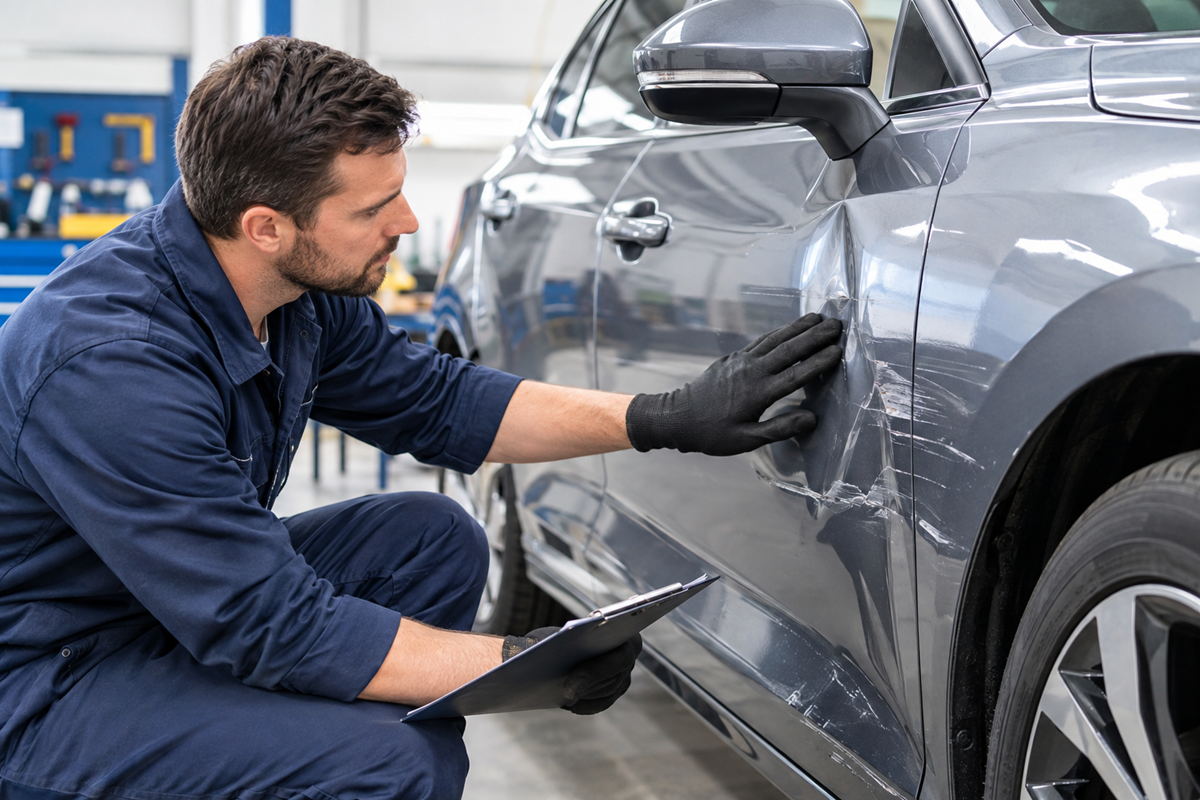
Thorough Inspection and Damage Assessment
The first stage is a careful inspection of the vehicle. Technicians assess the condition of the existing paint, identify dents, scratches, corrosion, and previous repairs, and determine whether individual panels or larger sections require refinishing.
This assessment also helps identify hidden damage that may not be immediately visible. Surface imperfections that appear minor can sometimes extend beneath the paint layer, making proper preparation essential before repainting begins.
A detailed inspection allows the repair process to be planned efficiently while helping achieve a uniform finish across the restored areas.
Cleaning and Surface Preparation
Preparation is often considered the most important stage of Vehicle spray painting. Even the highest-quality automotive paint cannot produce lasting results if applied over dirt, grease, wax, or loose paint.
The vehicle is thoroughly cleaned to remove contaminants that could interfere with paint adhesion. Areas surrounding the repair are carefully washed, degreased, and dried before further work begins.
Depending on the condition of the paintwork, technicians may remove damaged coatings, repair minor imperfections, and smooth uneven surfaces to create a suitable foundation for refinishing.
Proper preparation reduces the likelihood of visible defects after painting and contributes significantly to the longevity of the new finish.
Repairing Surface Imperfections
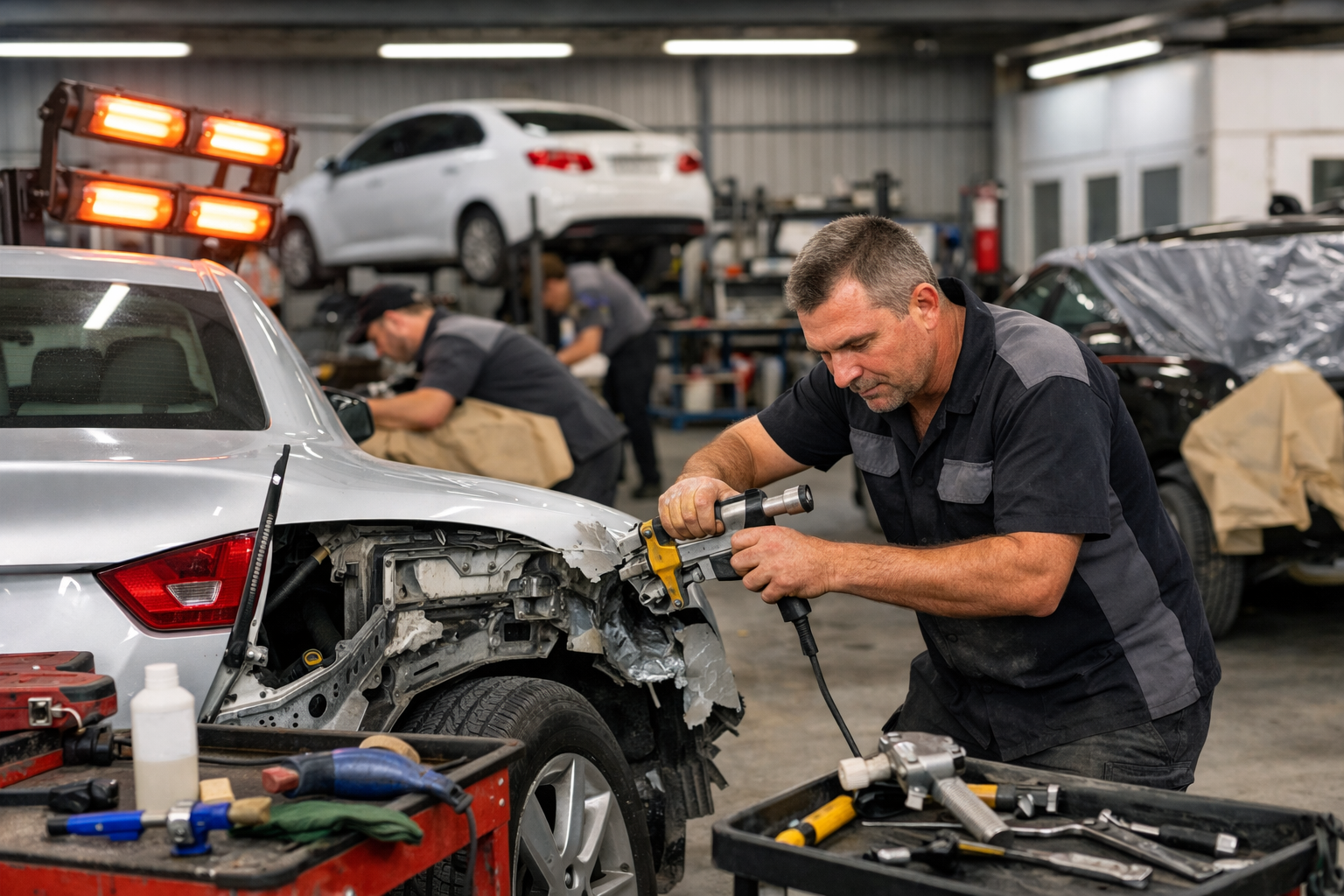
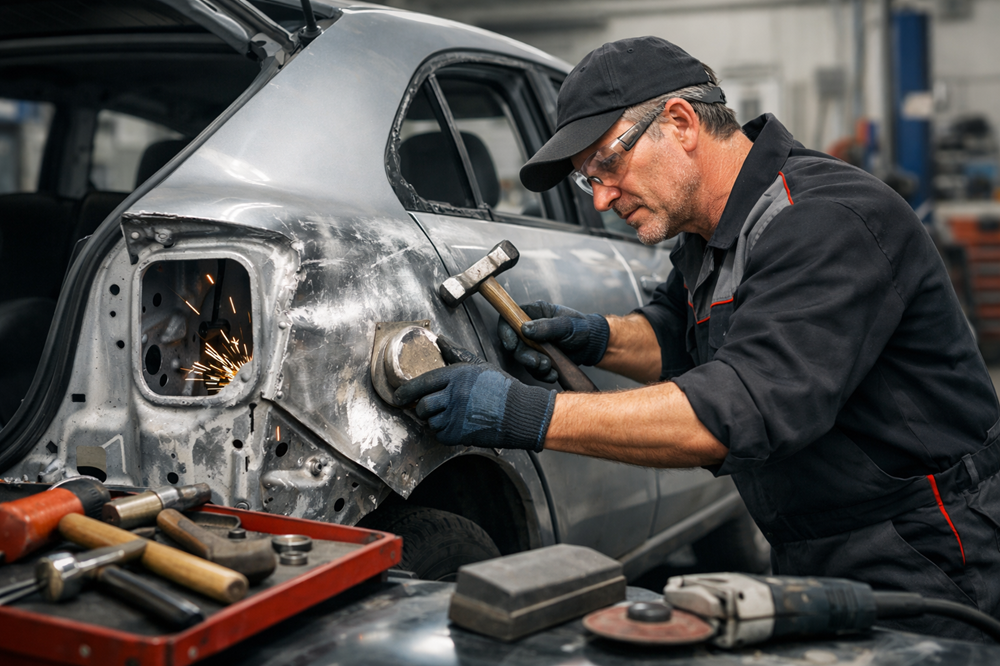
Before any paint is applied, dents, chips, scratches, and other imperfections are repaired. This may involve filling minor surface damage, reshaping affected panels, or addressing corrosion where necessary.
Every repaired section is sanded carefully to blend with the surrounding surface. The goal is to create an even profile that becomes invisible once painted.
If these imperfections are left untreated, they often remain visible beneath the finished paint, reducing both appearance and durability.
Sanding for Smooth Paint Adhesion
Sanding creates the ideal texture for primer and paint to bond with the vehicle's surface. Depending on the repair, technicians may use different grades of abrasive materials to gradually refine the surface.
The sanding process removes loose paint, smooths repaired areas, and feathers the edges between existing paint and new repairs. This careful blending helps prevent noticeable transitions after painting.
Dust created during sanding is removed completely before the next stage begins, as even small particles can affect the final finish.
Applying Automotive Primer
Primer forms the foundation of a professional paint system. It improves paint adhesion, seals repaired areas, and creates a consistent surface for colour application.
Different primer formulations may be selected depending on whether the repair involves bare metal, plastic components, or previously painted panels.
After application, the primer is allowed to cure before being sanded again to produce an exceptionally smooth surface. This extra step helps minimise imperfections that could become visible beneath the colour coat.
Achieving Accurate Colour Matching
One of the most technically demanding aspects of professional refinishing is matching the vehicle's original colour. Even vehicles with the same manufacturer paint code may display slight variations caused by age, weather exposure, and fading.
Professional workshops use manufacturer colour information together with digital colour-matching technology and spray-out test panels to achieve a close match.
Rather than painting only the damaged area, technicians may blend colour into neighbouring panels when appropriate. This technique creates a natural transition that makes repairs less noticeable under different lighting conditions.
Accurate colour matching is particularly important for metallic, pearl, and multi-layer finishes, where slight differences become more obvious in sunlight.
Applying the Paint
Once preparation is complete, the colour coat is applied inside a controlled spray booth. This environment helps minimise dust, airborne particles, and temperature fluctuations that could affect the finish.
Several thin coats are applied instead of one heavy layer. This method allows the paint to build gradually while maintaining even coverage across the panel.
Each layer is allowed sufficient time to flash off before the next coat is applied. Careful control of spray technique, distance, and pressure helps achieve a consistent finish without runs or uneven texture.
After the colour coats are completed, a clear protective coating is applied to provide gloss, durability, and resistance against UV exposure and environmental contaminants.
Curing, Polishing, and Final Inspection
Once painting is complete, the vehicle enters the curing stage. Modern curing methods allow the paint system to harden under controlled conditions, improving durability and helping the finish reach its intended strength.
After curing, technicians inspect the surface under specialised lighting to identify any minor imperfections. Where necessary, the paint may be lightly polished to enhance clarity and produce a smooth, reflective finish.
A final quality inspection ensures colour consistency, surface smoothness, and overall workmanship meet professional standards before the vehicle is returned to its owner.
The Benefits of Professional Vehicle Paint Restoration
A professionally restored paint finish offers more than visual improvement. It renews the protective coating that shields the vehicle from daily exposure while helping maintain its condition over time. Whether the work involves repairing accident damage, correcting faded paint, or refinishing worn panels, Vehicle paint restoration provides practical advantages that extend beyond appearance.
Unlike temporary cosmetic solutions, professional restoration addresses the underlying condition of the paint surface. Proper preparation, quality materials, and controlled application contribute to a finish designed to withstand everyday driving conditions.
Restores Protective Coatings
Modern automotive paint systems consist of several layers that work together to protect the bodywork. When scratches, chips, or peeling clear coat expose the underlying surface, moisture and contaminants can gradually cause deterioration.
Professional restoration rebuilds these protective layers, helping reduce the risk of corrosion while improving resistance to sunlight, rain, dust, and road debris commonly encountered around Brisbane.
Improves Overall Appearance
Even small imperfections can make an otherwise well-maintained vehicle appear older than it really is. Consistent colour, smooth panels, and a uniform gloss contribute to a cleaner, fresher appearance.
Professional Car Spray Painting can restore damaged sections so they blend naturally with surrounding panels, creating a finish that looks balanced rather than patched or uneven.
For owners planning to keep their vehicles for many years, maintaining the exterior often contributes to greater pride in ownership and a more enjoyable driving experience.
Helps Preserve Vehicle Value
Although every vehicle experiences normal wear, visible paint damage may influence how potential buyers perceive its condition. Maintaining quality paintwork demonstrates that the vehicle has received ongoing care.
Professional refinishing helps restore presentation after damage and may support resale value by improving the vehicle's overall condition. Keeping paint in good shape also makes routine detailing and maintenance easier throughout ownership.
Caring for Freshly Painted Surfaces
Once a vehicle has been professionally refinished, proper care helps the new paint achieve its maximum durability. Fresh automotive coatings continue curing after leaving the workshop, making gentle maintenance especially important during the first few weeks.
Following recommended care practices allows the finish to harden naturally while reducing unnecessary stress on the new coating.
Wash Gently
Use clean water together with a pH-neutral automotive shampoo rather than strong household detergents. A soft microfibre wash mitt helps reduce the likelihood of introducing fine surface scratches.
Avoid abrasive brushes or automatic car washes during the initial curing period, as these may affect newly applied paint.
Remove Contaminants Promptly
Bird droppings, insect residue, tree sap, and road grime should be removed as soon as practical. Brisbane's warm climate can cause these contaminants to bake onto paint surfaces, making them more difficult to remove later.
Allowing contaminants to remain for extended periods may stain the clear coat or reduce its protective qualities.
Park Carefully
Whenever possible, parking under cover reduces prolonged exposure to intense Queensland sunshine. Shade also helps minimise heat build-up that may gradually contribute to paint fading over many years.
If covered parking is unavailable, using a quality vehicle cover for extended storage may provide additional protection from environmental exposure.
Common Mistakes That Can Damage Paint
Many paint problems develop gradually through everyday habits rather than major incidents. Understanding these common mistakes helps owners protect their investment after Vehicle spray painting.
Some of the most frequent issues include:
Washing with dirty sponges or rough brushes.
Using household cleaning chemicals instead of automotive products.
Leaving bird droppings or tree sap on the paint for several days.
Wiping dry dust from the vehicle without washing first.
Parking beneath trees for long periods where falling debris may affect the finish.
Ignoring small stone chips until corrosion begins.
Simple maintenance habits often make a significant difference in preserving paint quality over the long term.
Real-World Example
Imagine a family vehicle driven daily between Woolloongabba, the Brisbane CBD, and surrounding suburbs. After several years, the bonnet develops numerous stone chips, the roof begins fading from constant sun exposure, and minor parking scratches appear along one side.
Rather than waiting until the damage becomes more extensive, the owner chooses professional restoration. The affected panels are repaired, carefully prepared, colour matched, refinished, and protected with a fresh clear coat.
Following the restoration, regular washing, prompt removal of contaminants, and sensible parking habits help maintain the renewed finish. While normal wear will always occur over time, consistent care significantly slows future deterioration.
When Should You Consider Professional Spray Painting?
Not every mark requires immediate refinishing, but certain situations indicate that professional assessment may be worthwhile.
Consider seeking advice when:
Paint is noticeably faded or oxidised.
The clear coat is peeling.
Scratches expose primer or bare metal.
Stone chips cover large areas of the bonnet.
Previous repairs have become visibly different in colour.
Corrosion is beginning around damaged paint.
Addressing these issues earlier often helps prevent more extensive repairs later while maintaining the vehicle's protective finish.
Long-Term Tips for Maintaining Your Vehicle's Paint
Professional Car Spray Painting delivers excellent results, but maintaining those results requires consistent care. Developing a simple maintenance routine helps preserve both the appearance and protective qualities of the paint for years to come.
Wash Your Vehicle Regularly
Routine washing removes dust, road grime, insects, and other contaminants before they have an opportunity to affect the paint surface. Washing every two to four weeks is generally suitable for vehicles driven regularly around Brisbane, although more frequent cleaning may be beneficial after long highway trips or severe weather.
Using clean water, quality automotive shampoo, and soft microfibre cloths helps minimise fine scratches during washing.
Dry the Vehicle Properly
Allowing water to dry naturally can leave mineral deposits that become difficult to remove over time. Drying the vehicle with a clean microfibre towel after washing helps reduce water spotting while maintaining a cleaner finish.
This simple step also makes it easier to identify any new scratches or stone chips that may require attention.
Inspect the Paint Periodically
Taking a few minutes every month to inspect the paintwork can help identify small problems before they become larger repairs. Look for fresh stone chips, scratches, fading, or peeling clear coat, particularly on the bonnet, roof, mirrors, and front bumper.
Early attention often prevents minor cosmetic issues from developing into more significant restoration work.
Protect the Finish from the Environment
Whenever practical, park in covered areas to reduce prolonged exposure to ultraviolet radiation. During Brisbane's warmer months, consistent shade can help slow the natural ageing of automotive paint.
Vehicles that spend extended periods outdoors also benefit from regular cleaning to remove dust, pollen, and other airborne contaminants.
Follow Manufacturer Care Recommendations
Every vehicle manufacturer provides guidance on maintaining exterior finishes. Following recommended washing products and maintenance intervals helps support the long-term performance of professionally restored paint.
Avoid harsh chemicals or abrasive cleaning products unless they are specifically designed for automotive finishes.
Conclusion
A well-maintained paint finish does more than enhance the appearance of a vehicle—it also provides an important layer of protection against Australia's challenging environmental conditions. Brisbane's combination of strong sunlight, seasonal storms, road debris, and everyday driving can gradually affect even high-quality automotive finishes, making regular care an essential part of vehicle ownership.
Professional Vehicle spray painting combines careful preparation, accurate colour matching, skilled application, and controlled curing to restore both appearance and durability. When carried out correctly and supported by sensible maintenance, Vehicle paint restoration can help preserve the vehicle's finish for many years while reducing the impact of normal wear.
Understanding how the process works allows vehicle owners to make informed decisions about repairs, maintenance, and long-term protection. Addressing paint damage early, following recommended care practices, and maintaining a consistent cleaning routine all contribute to keeping a vehicle looking its best throughout its life.
Frequently Asked Questions (FAQs)
1. What is Car Spray Painting?
Car Spray Painting is the professional process of refinishing a vehicle using specialised automotive paint systems. It involves surface preparation, priming, colour matching, paint application, clear coating, curing, and finishing to restore both appearance and protection.
2. How long does professional car spray painting take?
The timeframe depends on the extent of the repair, the number of panels being painted, and the curing process. Minor repairs may take only a few days, while more extensive restoration work may require additional time to ensure a quality finish.
3. How long does new automotive paint last?
When properly applied and maintained, professional automotive paint can remain in excellent condition for many years. Regular washing, prompt removal of contaminants, and protection from excessive sun exposure all contribute to extending its lifespan.
4. Can faded paint be restored without repainting?
Light oxidation may sometimes be improved through polishing. However, if the paint has significantly faded, the clear coat has failed, or colour loss is severe, professional Vehicle paint restoration is often the most effective solution.
5. Why is colour matching important during repairs?
Accurate colour matching helps repaired sections blend naturally with the rest of the vehicle. Professional workshops use manufacturer colour information and specialised equipment to minimise visible differences between old and new paint.
6. Is professional spray painting better than DIY repairs?
Professional repairs involve specialised preparation, controlled spray booths, quality materials, and proper curing techniques that are difficult to replicate at home. These factors contribute to improved durability and a more consistent finish.
7. How can I protect freshly painted surfaces?
Gentle washing, avoiding abrasive cleaning products, removing contaminants promptly, and parking in shaded or covered areas where possible all help preserve newly restored paint.
8. What causes vehicle paint to deteriorate in Brisbane?
Common factors include prolonged UV exposure, stone chips, bird droppings, tree sap, heavy rain, airborne contaminants, and everyday road debris. Regular maintenance helps reduce the impact of these environmental conditions.
9. How often should I inspect my vehicle's paint?
A monthly visual inspection is generally recommended. Checking for chips, scratches, fading, or peeling allows small issues to be addressed before they become more extensive.
10. When should I consider professional Vehicle spray painting?
Professional refinishing may be appropriate when paint is heavily faded, the clear coat is peeling, scratches expose primer or metal, multiple stone chips affect large areas, or previous repairs no longer match the surrounding finish.


Write a comment ...