
A dented, scratched or creased vehicle panel can be frustrating, particularly when the damage appears minor at first glance. A small impact in a car park, a tight parking space, a fallen branch or a low-speed accident can leave visible marks on a door, guard, bonnet or quarter panel. While some damage may be largely cosmetic, other damage can affect the panel's shape, paint protection or the way nearby components fit together.
For Brisbane drivers, understanding how different types of panel damage are assessed can make it easier to decide what should happen next. The appropriate Car Panel Repair method depends on the depth and location of the damage, the condition of the paint, the construction of the panel and whether anything underneath has been affected. A proper inspection is therefore more useful than judging the damage from its appearance alone.
Understanding the Different Types of Panel Damage
Not every damaged panel requires the same treatment. A shallow dent may be repairable without disturbing the original paint, while a sharp crease can stretch or distort the metal and require more involved work. Scratches also vary considerably. A light surface mark can sometimes be corrected through careful refinishing, whereas a deep scratch that exposes the underlying material needs more attention.
The location of the damage matters as well. A dent close to a panel edge, body line or mounting point can be more difficult to restore accurately. Similarly, damage around a door, bonnet or boot may affect alignment and operation even when the visible mark itself is relatively small.
Dents
A dent occurs when an impact pushes part of a panel inward or changes its original contour. The size of a dent does not necessarily determine how difficult it will be to repair. A broad, shallow dent may be relatively straightforward, while a smaller dent with a sharp edge can involve greater panel distortion.
Technicians generally look at the depth, shape, accessibility and position of the dent before selecting a repair approach. They also consider whether the paint has remained intact. Where suitable, specialised techniques can reshape a panel while preserving as much of the existing finish as possible.
Scratches
Scratches range from superficial marks in the clear protective layer to damage that cuts through the paint system. A scratch that looks minor under cloudy conditions may become much more noticeable in direct sunlight.
The depth of the scratch is important because it determines how much of the paint system has been affected. If the underlying material has been exposed, leaving it untreated can increase the risk of deterioration over time, particularly where moisture reaches the damaged area.
Creases
A crease is more than a simple indentation. It involves a sharper change in the panel's shape and can indicate that the material has been stretched or folded by an impact. Creases commonly occur after collisions involving doors, guards and other exposed body sections.
Repairing a creased panel requires careful attention to its original contours. Simply pushing the visible section outward may not restore the panel properly. The surrounding area may need to be reshaped so the repaired section follows the manufacturer's intended lines.
How a Damaged Panel Is Assessed
A professional inspection should begin with more than a quick look at the obvious mark. The damaged area needs to be examined from different angles and, where appropriate, under suitable lighting. Reflections across the panel can reveal distortions that are difficult to see when looking directly at the damaged section.
The surrounding panels should also be checked. An impact can transfer force beyond the point where the damage is easiest to see. Gaps between adjoining panels, changes in alignment, damaged clips and movement around doors or other openings can provide useful clues about what happened.
Paint condition is another important consideration. If the finish has cracked, lifted or been broken through, the repair process needs to address both the panel and its protective coating. Simply correcting the shape without dealing with damaged paint can leave the vehicle vulnerable to further deterioration.
When a Dent May Be Repairable
The possibility of repairing a dent depends on several factors rather than its size alone. A technician may consider whether the panel has retained its structural shape, whether the paint remains intact and whether the damaged section can be accessed safely.
Paintless Dent Repair may be suitable in some circumstances where the paint is undamaged and the metal or panel material has not been excessively stretched. The process involves carefully manipulating the affected area back towards its original shape. It requires precision because excessive pressure can create additional distortion.
Traditional Panel Repair may be more appropriate when the damage is deeper, the surface has been creased or the paint has been damaged. The panel may need controlled reshaping followed by preparation and refinishing.
When Scratches Need More Than Polishing
One common mistake is assuming that every scratch can be removed with polishing. Polishing can improve the appearance of superficial marks, but it cannot replace paint that has been removed.
A simple way to understand the problem is to consider the layers of a vehicle's finish. The outer clear coat protects the colour layer underneath. A deeper scratch can pass through this protection and reach the coloured coating or even the underlying substrate.
If the scratch has exposed the material beneath the paint, professional treatment is advisable. The damaged area may need preparation, appropriate coating and colour matching to restore both appearance and protection.
Repairing a Creased Panel
Creased panels require particular care because the metal or other panel material may have changed shape beyond the immediate impact point. The repair objective is not simply to make the crease disappear. The technician needs to restore the overall contour of the panel while maintaining suitable alignment with adjacent components.
Depending on the damage, the process may involve controlled reshaping, surface preparation and refinishing. If the panel has suffered severe distortion or damage around mounting areas, replacement may sometimes be considered.
The decision should be based on the actual condition of the panel rather than a fixed rule based on the age or model of the vehicle.
Why Paint Condition Matters
The condition of the original paint can significantly influence the repair method. A panel that is dented but still has an intact factory finish presents a different repair situation from one that has a deep scratch, chipped paint and exposed substrate.
Preserving sound original paint where practical can be beneficial because it avoids unnecessary disturbance to unaffected areas. However, preserving the finish should never take priority over properly correcting underlying damage.
After a repair involving refinishing, colour matching is also important. Vehicle Paint can change subtly over time because of sunlight, weather exposure, cleaning products and normal use. Matching the repaired section with the surrounding finish therefore involves more than selecting a colour code.
What Happens During Professional Panel Repair?
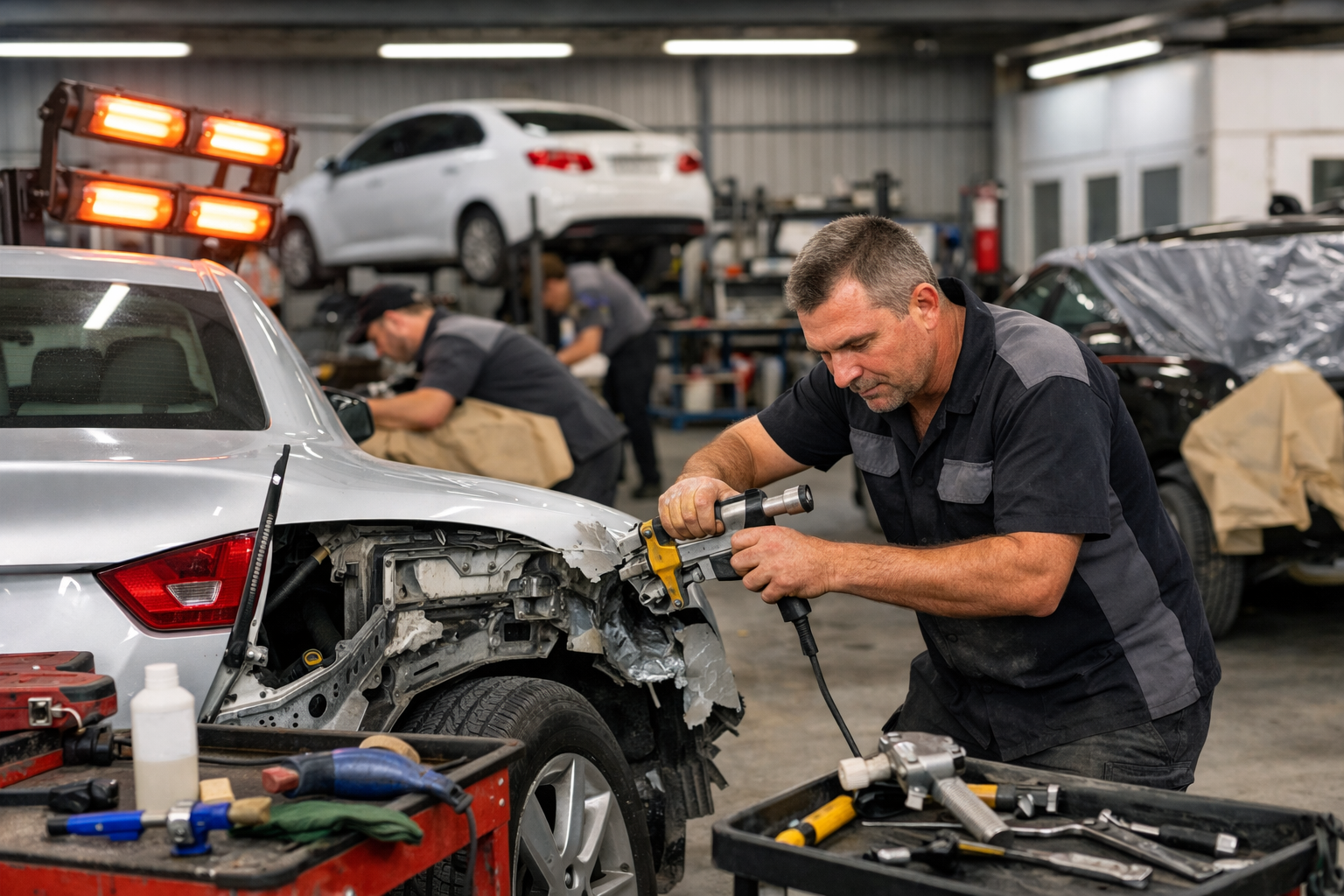
The repair process varies according to the damage, but it normally begins with inspection and assessment. The affected panel and surrounding areas are examined before a suitable method is selected.
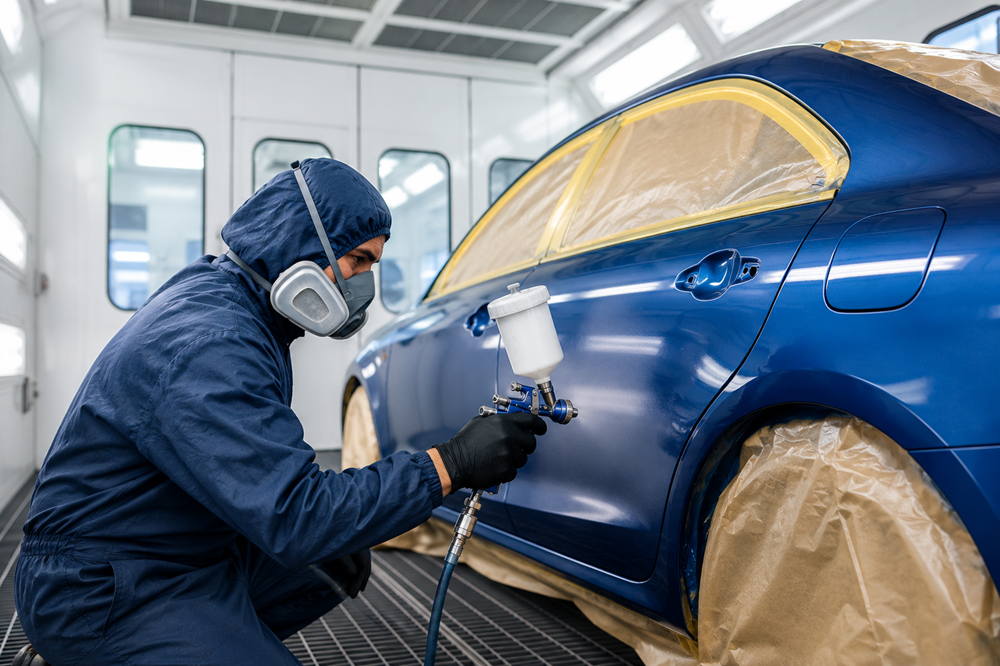
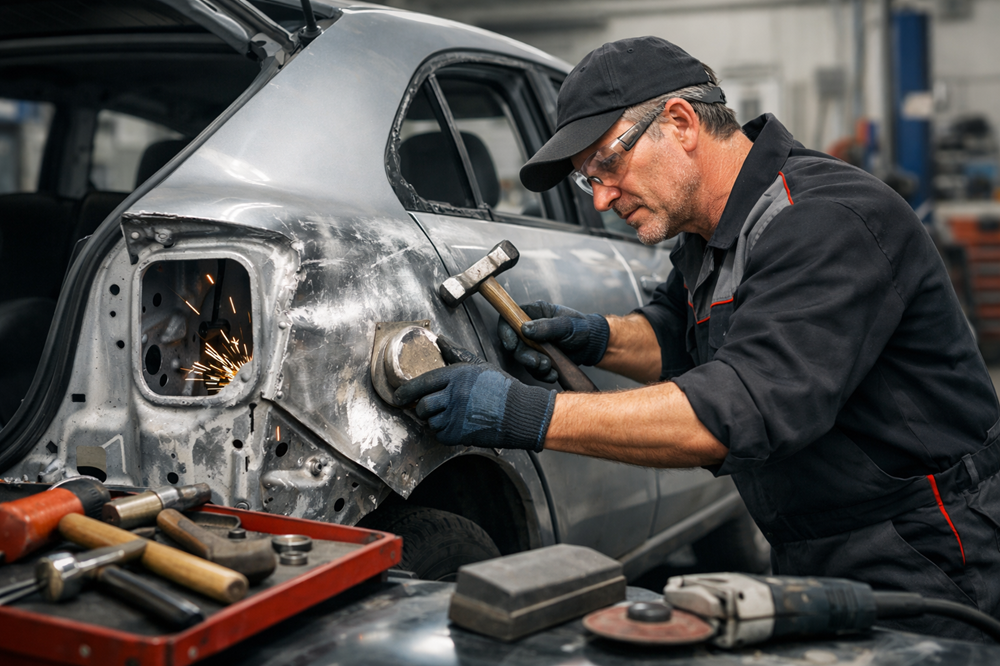
Where reshaping is required, the damaged area is carefully brought back towards its intended contour. Surface preparation may then be needed before refinishing. The preparation stage is important because imperfections beneath the paint can remain visible after the final coating is applied.
A proper repair also considers panel gaps and alignment. Doors, bonnets and other moving panels need to operate correctly after the work is completed. The final inspection should therefore cover more than appearance alone.
Brisbane Conditions and Damaged Paint
Brisbane's climate makes protecting damaged paint particularly important. Sun exposure, humidity and periods of heavy rain can place additional demands on a vehicle's exterior finish.
A deep scratch that exposes the underlying surface should not simply be ignored because the affected area is small. Moisture can enter damaged sections, while prolonged exposure to environmental conditions may contribute to deterioration.
Drivers should also be cautious about using aggressive cleaning methods on freshly damaged areas. High-pressure water, harsh chemicals or abrasive products may make existing paint damage worse. Until the damage has been assessed, gentle cleaning is generally the safer approach.
What You Should Do After Discovering Panel Damage
If you notice a new dent, scratch or crease, begin by checking whether the affected panel is safe and functioning normally. For example, a damaged door should open and close without unusual resistance, while a bonnet should continue to latch securely.
Take clear photographs before cleaning or attempting any repair. Images showing the full vehicle, the surrounding panel and close-up views can be useful when discussing the damage with a repair professional or documenting an insurance matter.
Avoid trying to force a heavily distorted panel back into position yourself. Modern vehicles can contain sensors, wiring, clips and other components behind exterior panels, and pressure applied in the wrong location can create additional damage.
Choosing the Appropriate Repair Approach
There is no single repair method that suits every dent, scratch or crease. The correct approach depends on the material, location, depth, paint condition and extent of distortion.
For example, a shallow dent on a broad section of a panel with undamaged paint may be approached differently from a sharp crease accompanied by cracked paint. Likewise, a surface scratch requires a different treatment from one that has penetrated through the paint layers.
The goal should always be to restore the panel's shape, finish and proper fit without carrying out unnecessary work. A careful assessment helps establish what the damage actually requires.
When Replacement May Be Considered
Repair is not always the appropriate answer. A panel may be considered for replacement when it has suffered extensive distortion, significant stretching, severe corrosion or damage that cannot be restored reliably through practical repair methods.
Replacement decisions should also take into account how the panel attaches to the vehicle and whether associated components have been affected. The visible damage may represent only part of the problem.
For this reason, it is sensible to have substantial damage assessed before deciding whether repair or replacement is appropriate.
What Quality Car Body Repair Should Achieve
Good repair work should restore more than the appearance of a damaged area. The panel should have an appropriate shape, adjoining gaps should be consistent, moving components should function correctly and the finish should blend naturally with the surrounding bodywork.
A successful Car Body Repair should also take into account the vehicle's longer-term condition. Paint protection, corrosion prevention and correct preparation are important because a repair should not create another problem later.
Drivers in Brisbane seeking information about body damage and repair processes can also refer to Toni's Smash Repairs, which provides smash repair and vehicle body repair services in the Brisbane area.
Final Inspection Matters
Before accepting a completed repair, inspect the vehicle in good natural or workshop lighting. Look at the repaired area from several angles and check the transition between the repaired section and surrounding panels.
If the repair involved a door, bonnet or boot, operate it several times. Check that it opens, closes and latches correctly. Look for consistent panel gaps and make sure there are no obvious signs of unfinished preparation.
A final inspection is particularly valuable because small issues are easier to address immediately than after the vehicle has been used for an extended period.
Practical Takeaways for Brisbane Drivers
A dent, scratch or crease does not automatically mean a panel must be replaced. The correct treatment depends on the type and extent of damage, the condition of the paint and the construction and location of the affected panel.
Early assessment can help prevent a minor cosmetic problem from becoming more complicated. It can also help identify damage that is not immediately obvious.
Most importantly, avoid choosing a repair method simply because it appears quick or simple. Proper assessment should come first, followed by a repair approach that restores the vehicle's shape, finish, alignment and protection.
FAQs About Car Panel Repair
What is Car Panel Repair?
Car Panel Repair refers to the process of restoring damaged exterior vehicle panels to their appropriate shape and condition. It can involve treating dents, creases, scratches and other forms of body damage. The exact method depends on the panel material, location, depth of damage and condition of the paint. An inspection is normally required to determine whether reshaping, refinishing or another repair method is appropriate.
Can every dent be repaired?
No. Many dents can be repaired, but the result depends on the severity and location of the damage. A shallow dent with intact paint may be suitable for specialised dent-repair techniques, while a heavily creased or stretched panel may require more extensive work. Damage close to edges, structural mounting points or body lines can also make repair more complex.
Is Car Dent Repair possible without repainting?
In some situations, yes. If the paint remains intact and the panel has not been excessively distorted, a suitable Dent Repair technique may restore the shape without requiring conventional repainting. This depends on the specific damage. A professional assessment can determine whether the existing finish can reasonably be preserved.
How are deep scratches repaired?
Deep scratches may require more than surface polishing. If a scratch has penetrated the protective clear coat or colour layer, the affected area may need preparation and refinishing. Where the underlying material has been exposed, appropriate treatment is important to help protect the panel from moisture and deterioration.
How long does a panel repair take?
There is no standard timeframe for every repair. A small dent may require considerably less work than a damaged panel involving reshaping, preparation and refinishing. Parts availability, the extent of damage and the repair method can also influence the timeframe. A repairer should provide a more reliable estimate after inspecting the vehicle.
Should I repair a small scratch immediately?
A superficial scratch may not require urgent repair, but deeper damage deserves attention. If the scratch has removed paint and exposed the underlying material, leaving it untreated can allow moisture and environmental exposure to affect the damaged area. Photographing the damage and arranging an assessment is a sensible step when the depth is uncertain.
What is the difference between Car Body Panel Repair and general body repair?
Car Body Panel Repair generally focuses on restoring individual exterior panels such as doors, guards, bonnets or quarter panels. General body repair can cover a wider range of work, including multiple damaged panels, structural components, trim, alignment and refinishing. The terms can overlap, but the actual work depends on the vehicle's condition.
Can Brisbane weather affect damaged car paint?
Yes. Sun exposure, humidity and rain can affect an already damaged exterior finish. A deep scratch or paint chip that exposes the underlying surface may become more vulnerable to deterioration. This does not mean every small mark will immediately develop into a serious problem, but damaged paint should be assessed when its protective layers have been breached.
When should a damaged panel be replaced?
Replacement may be considered when a panel is severely distorted, excessively stretched, badly corroded or otherwise unsuitable for reliable restoration. The decision depends on the extent and location of the damage, the panel's construction and whether surrounding components have also been affected. Repair and replacement should be determined after proper inspection rather than appearance alone.
What should I check after a panel repair?
Check the repaired area under good lighting and view it from several angles. Look for a consistent surface, appropriate panel gaps and a finish that blends naturally with surrounding areas. If a door, bonnet or boot was involved, confirm that it opens, closes and latches correctly. Any concerns are best raised with the repairer promptly.


Write a comment ...